
Key Takeaways
- September is National Childhood Obesity Awareness Month. Approximately 19% of children in the US suffer from obesity.1
- Childhood obesity can be influenced by many factors including lack of physical activity, poor diet, and genetics.
- Medco offers a wide range of exercise products that can be used to stay active.
Top Products in This Article




National Childhood Obesity Awareness Month is observed during the month of September. This month helps educate the public about a serious medical condition in children. In this article, we discuss a variety of useful tips and products that help children improve their health. Keep reading to learn more!
What is Childhood Obesity?
Factors That Contribute to Childhood Obesity
5 Prevention Strategies to Gaining Weight
Exercises and Workout Equipment for Children
What is Childhood Obesity?

Childhood obesity is a complicated medical condition. According to scientific research, it occurs when a child is significantly overweight for their age and height.1 Like leading causes of weight gain in adults, childhood obesity can be caused by a variety of factors. Two of the most common include behaviors and genetics. Research has shown that children who suffer from obesity are up to 10 times more likely to be overweight than adults.1 This pattern can lead to serious medical conditions down the line, such as type 2 diabetes as well as high blood pressure and cholesterol. Improving a child’s diet and exercise habits are some of the best ways to help them achieve a healthy weight.
How can you determine if a child or athlete suffers from obesity? It is important to consult with a doctor or certified health professional with any questions regarding a child or athlete’s health. Body Mass Index (BMI) is commonly used by medical professionals to gauge the status of a child’s weight. BMI is a measure of body fat based on a person’s weight and height. For children and teens, BMI is slightly different; it is age-and gender-specific and is often referred to as BMI-for-age.3
This condition should be taken seriously, as it can have long-term effects. This article will address additional factors and behaviors that contribute to childhood obesity, as well as prevention strategies and exercise products that are designed with children in mind.
Factors That Contribute to Childhood Obesity
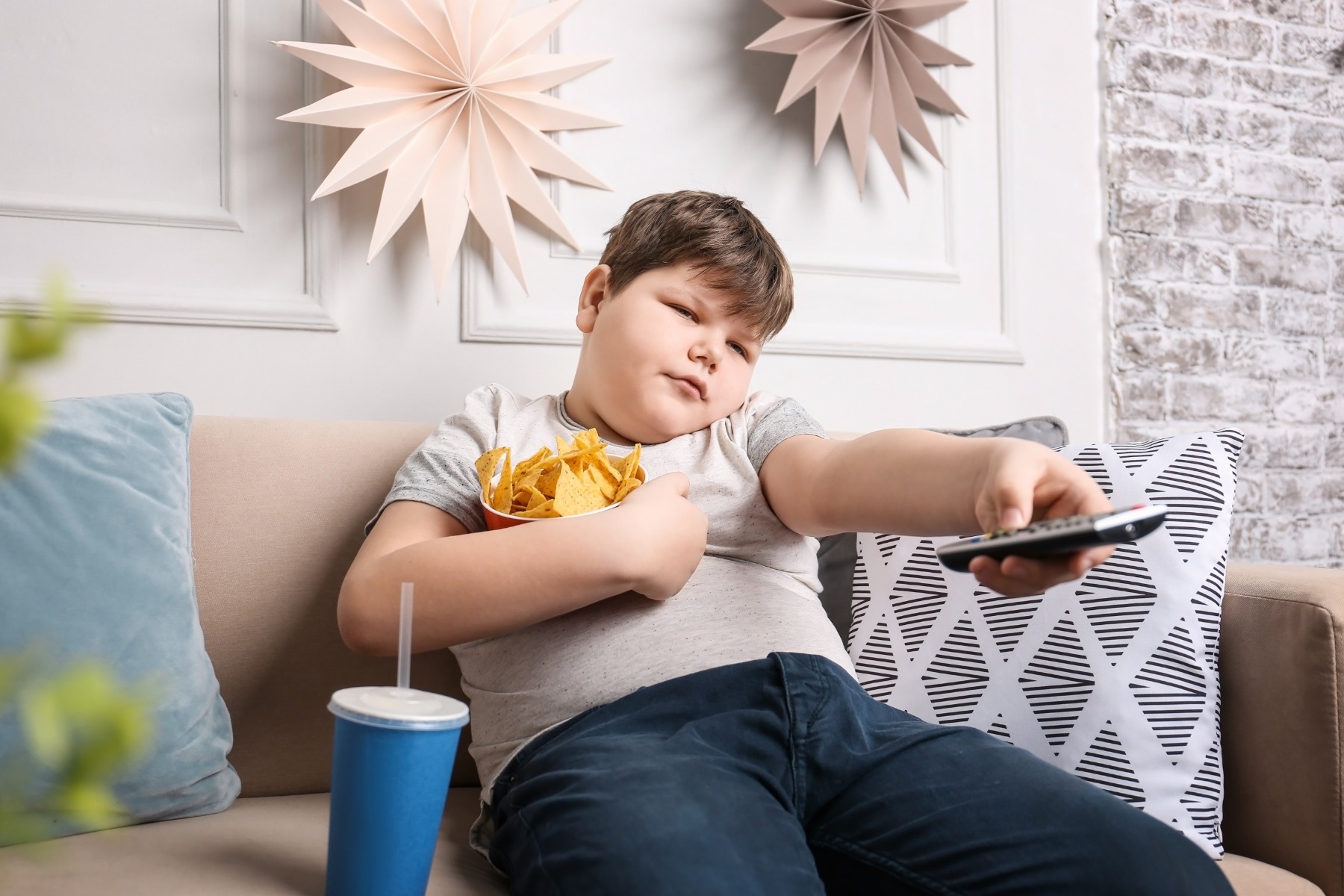
Pediatric obesity can be caused by several factors. Behaviors such as low activity level and poor diet play a large role. The environment that a child lives in can also greatly contribute to their weight.
Studies show that most children with obesity have poor dietary habits. For instance, they often consume high-calorie and low-nutrient foods and beverages. They may also take certain medications that put them at a higher risk for weight gain, or not get an adequate amount of sleep at night. In addition, other behaviors such as a lack of physical activity and an excessive amount of time spent participating in sedentary activities such as watching tv or sitting at the computer can also contribute to weight gain.2
Children may have a difficult time following a proper exercise and diet routine if they are in an environment that does not support healthy habits. Their community influences the decisions that a child can make. A child can be affected by their home environment, in addition to other places such as daycare, school, or community groups by the food they offer and activities they provide.2 Additional community factors include the cost of healthy food options, as well as the support system the child has.
5 Prevention Strategies to Gaining Weight

Fortunately, there are proven prevention strategies that can combat childhood obesity and prevent future health complications. Among these include consuming healthy foods and being physically active.2
Below is a list of five prevention strategies that can help children grow and maintain a healthy weight:1
- Eat A Variety of Nutrient Dense Foods
A healthy diet can help a child get the nutrients they need for healthy growth and development and help them reach a healthy BMI. It is recommended that children eat a variety of fruits and vegetables, as well as whole grains, lean proteins, and low-fat dairy.
- Stay Active
Physically active children typically have stronger muscles and better cardiovascular fitness, as well as a lower percentage of body fat. Regular physical activity in children is important to keep them both physically and mentally fit.
- Avoid Sugar
Most people consume too many added sugars, which can ultimately lead to health conditions including obesity, heart disease, and type 2 diabetes. Studies indicate that children under two should have no added sugar in their diet at all, and children over the age of two should keep their added sugar intake to less than 10% of their daily caloric intake.
- Limit Screen Time
As mentioned previously, children spend much of their free time doing sedentary activities such as watching tv or playing on the computer. Too much screen time can have negative consequences such as poor sleep and weight gain. Parents should ensure that children limit their screen time to a maximum of 30 minutes and make time for active activities instead.
- Sleep Well
Adequate sleep is important to prevent a variety of conditions including obesity. Children 6-12 years old need 9-12 hours of sleep a night and youth 13-18 need 8-10 hours. It is important that children get the rest they need to live a healthy life.
Exercises and Workout Equipment for Children
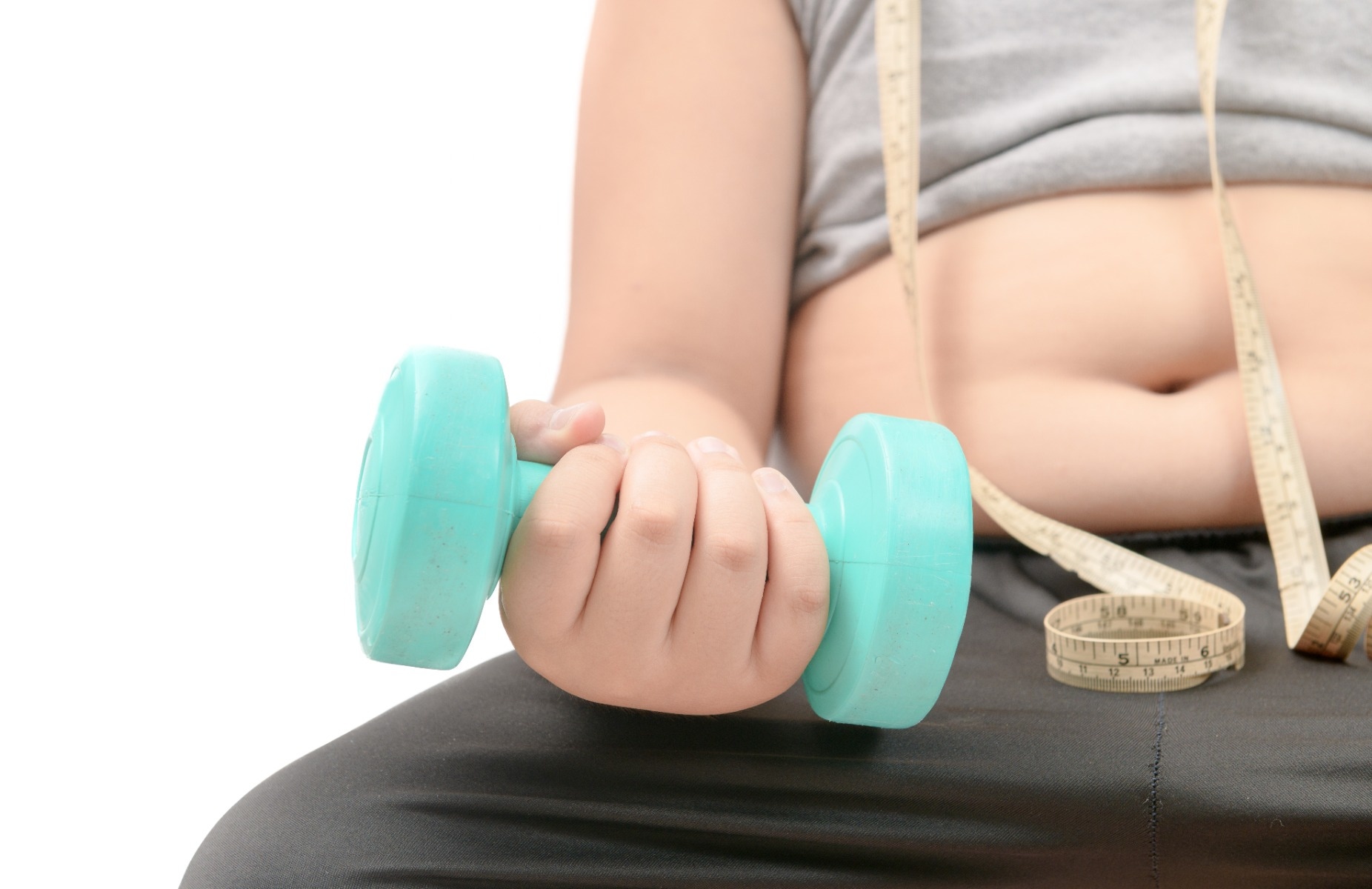
Physical activity is crucial for children. It helps them gain muscle, improves their cardiovascular fitness, burns calories, and enhances their mental wellbeing. Below is a list of workouts and exercise products that can help children live an active and healthy lifestyle.
- THERABAND Standard Exercise Balls

THERABAND Standard Exercise Balls are a great way to practice stability-based exercises that increase core strength and flexibility. They create unique workouts that tone muscles and promote balance.
Below is an exercise ball workout for children to try:
Walk Outs4
Using a smaller ball, have the child lay flat on their stomach. Instruct them to distribute their weight onto the ball and have them walk their hands out forward (as far as they feel comfortable) so that the ball rolls toward their knees, then have them walk their hands back toward their body. This exercise increases balance and strengthens the core muscles.
- Saucer Cones
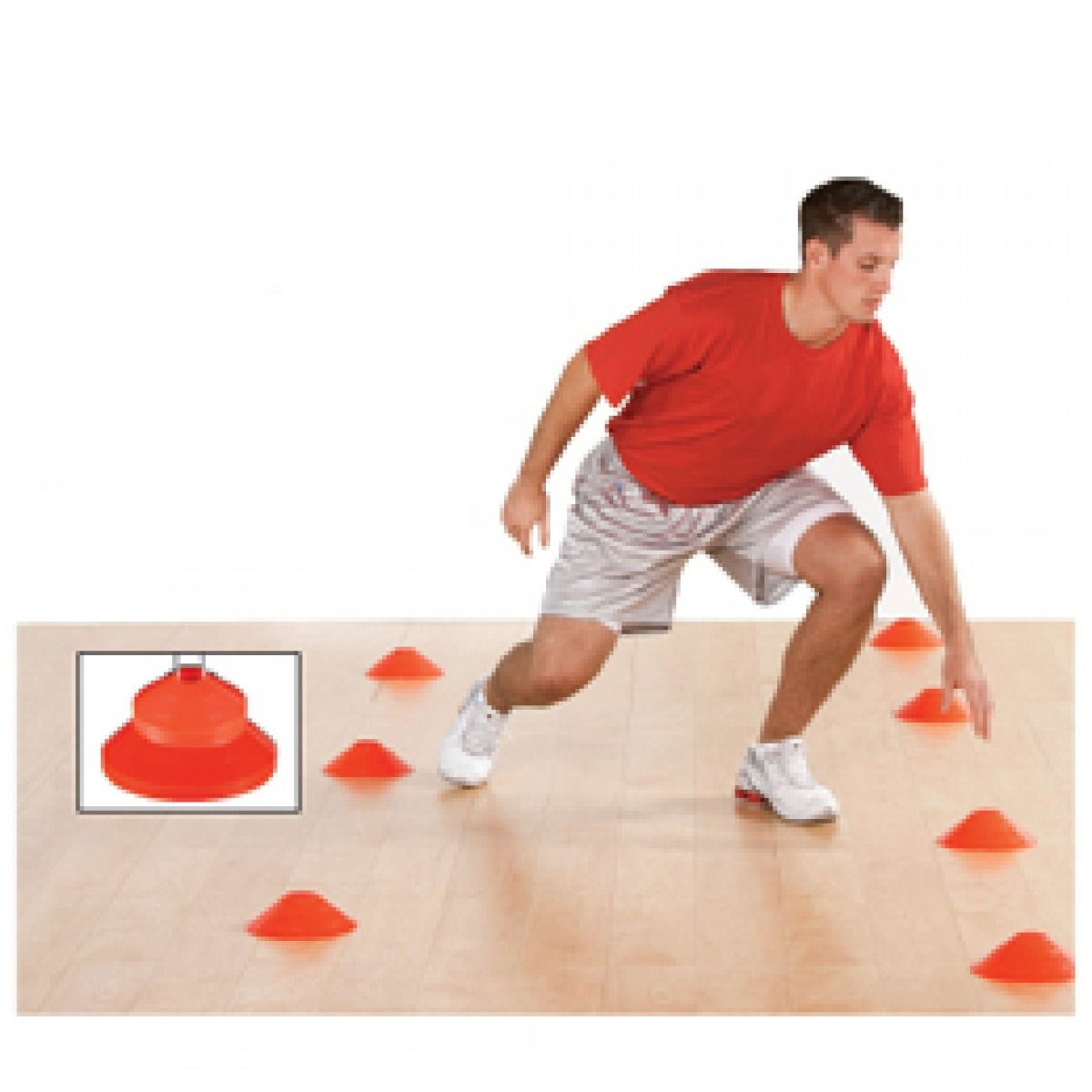
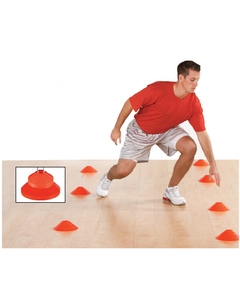
Saucer Cones are designed to be used for agility training, strength training, exercise, or rehabilitation purposes. These cones are available in two size options that include 7.5" and 12" in diameter for a variety of uses.
Looking for a fun cardio exercise for children to try?
Run-Shuffle-Run Speed Drill5
Set up four cones in a straight line. Instruct the child to start at the first cone and sprint to the second cone (approximately 5 yards). Then, ask the child to laterally shuffle from the second to third cone (approximately 4 yards). Tell them to sprint between the third and fourth cone (approximately 5 yards) and then repeat the exercise in the opposite direction. This exercise is a great way to build endurance and elevate the heart rate.
- Speed Rope
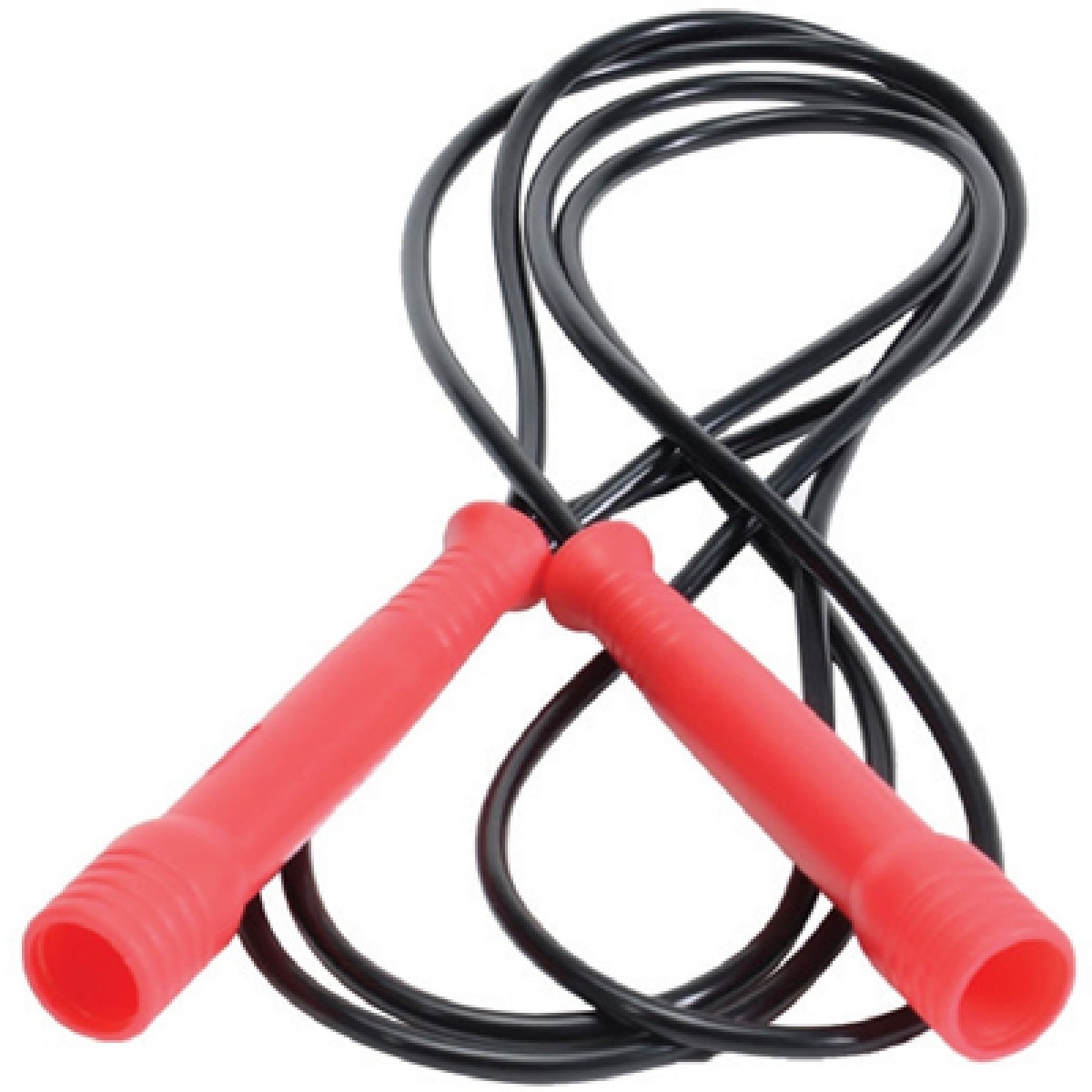
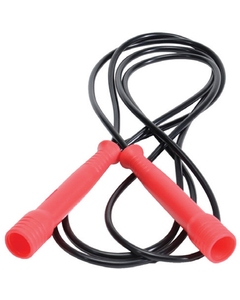
The speed rope is built for speed, agility, and cardio training. The rope is convenient, portable, and efficient. Any child or athlete can use this to improve agility or cardio endurance.
The video below demonstrates a variety of speed rope exercises that you can practice with children at home:
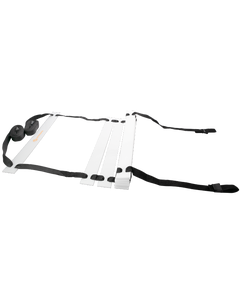
- Stroops Flat Rung Agility Ladders

Stroops Flat Rung Agility Ladders are ideal for athletic training. Athletes and athletic trainers love the ladder because it helps improve performance regarding speed, footwork, and general coordination.
Teach children this agility ladder drill today!
Left to Right Foot Agility Workout
Begin this exercise by placing the agility ladder on a flat surface. Instruct the child to step into one of the squares with their left foot, followed by their right foot. They can then step into the next box with the opposite foot and repeat the exercise until they reach the final square. Over time, the child should be able to increase their pace. This exercise helps improve coordination and speed.
- Medicine Balls
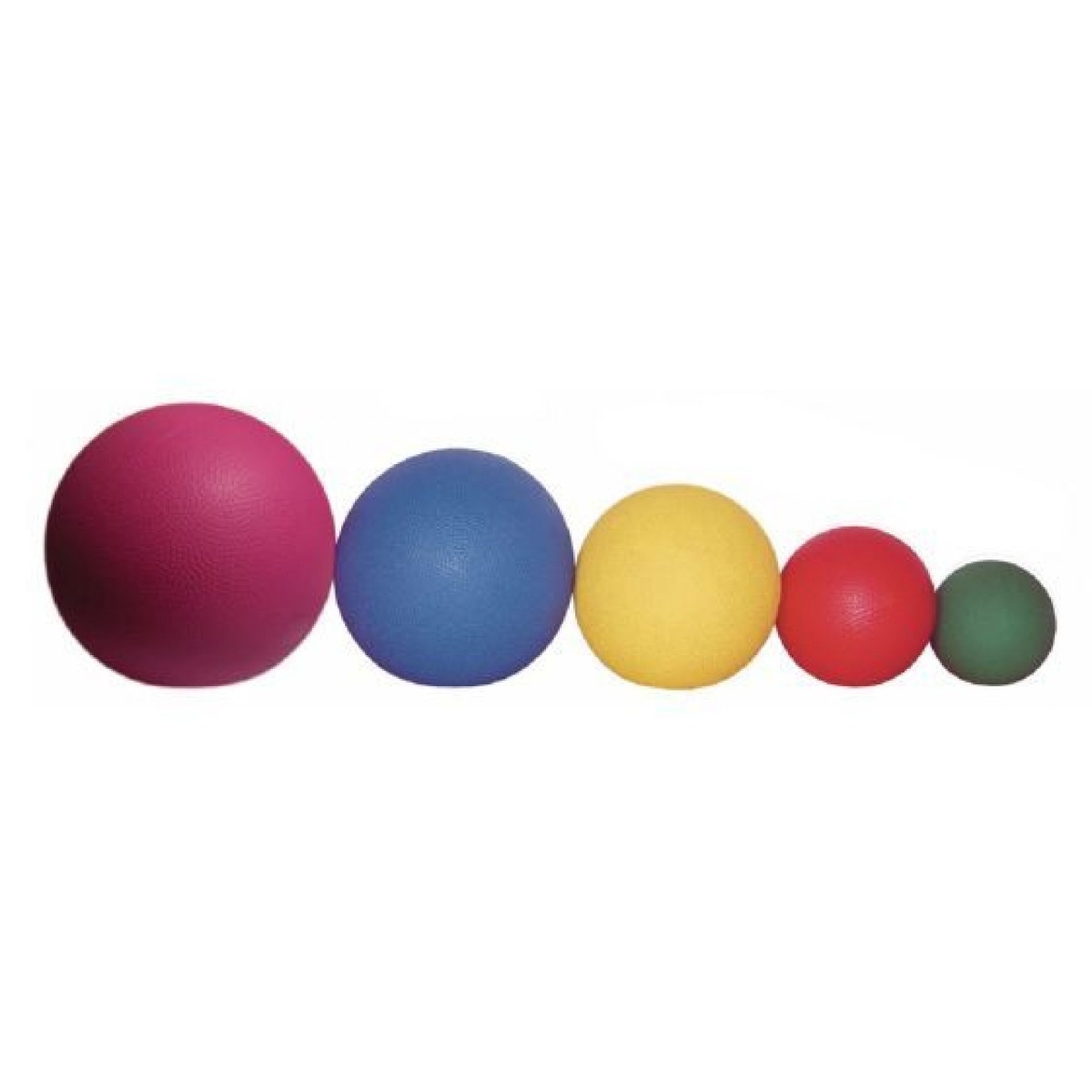
These Medicine Balls can be used for rehabilitation and strength training purposes. Available in a variety of size options, these fitness balls are excellent for total body, core, and upper and lower body extremity exercises.
Check out this kid-friendly medicine ball exercise:
Overhead Medicine Ball Throws4
Using a small or medium size medicine ball, stand several feet away from the child. Instruct them to lift the medicine above their head and throw it to you. As they continue to improve, you can stand further away. This exercise helps improve posture and tones the arm and abdominal muscles.
Looking for additional fun activities to keep children active? Check out this article with 33 fun outdoor games for kids!
Recap
Approximately a fifth of children suffer from pediatric obesity. While this condition can be caused by a variety of different factors, there are several prevention strategies that can help children achieve a healthy weight. Lifestyle changes such as an increase in physical activity and healthier dietary choices can help obese children lose weight. Fortunately, Medco carries many products that can be used by children when exercising. As with any medical condition, consult your doctor before making any drastic changes to a child’s exercise program or diet.
Purchase these products today!
References
- Anonymous. (2020, August 13). September is National Childhood Obesity Month. CDC. Retrieved from https://bit.ly/3DwuNMP
- Anonymous. (2021, March 19). Childhood Obesity Causes & Consequences. CDC. Retrieved from https://bit.ly/3zwI8Cq
- Anonymous. (2021, June 21). Defining Childhood Weight Status. CDC. Retrieved from https://bit.ly/3zE3Y73
- The Physical Therapy Dept. (2017, December 21). 5 Fun Exercise Ball Activities for Kids. Oceanside Therapy Group. Retrieved from https://bit.ly/3mVdrDo
- Anonymous. (2021). Best Youth Agility Training Workouts for Sports Athletics. VertiMax. Retrieved from https://bit.ly/38z5ZFJ
Medical Disclaimer: The information provided on this site, including text, graphics, images, and other material are for informational purposes only and are not intended to substitute for professional medical advice, diagnosis, or treatment. Always seek the advice of your physician or other healthcare professional with any questions or concerns you may have regarding your condition.