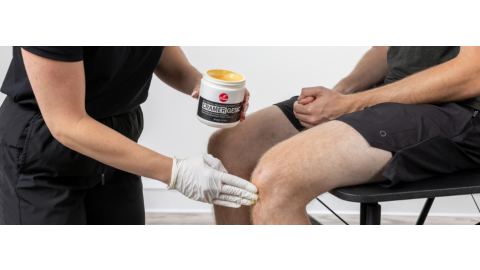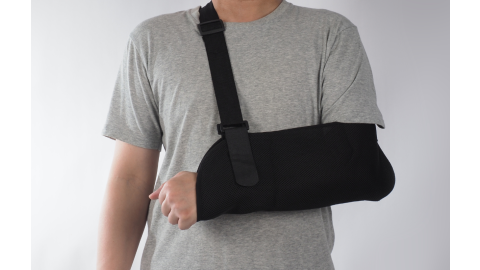

For decades, ice has been the gold standard treatment option for all kinds of injuries and athletic recovery. This usually involves exposing the body or specific area to extreme cold via ice packs, cold water immersion and in more recent years, cryochambers. Despite some current hesitance about when and how to use it, icing remains a popular choice among sports medicine professionals.
Recent research has put into question the use of ice for treating acute injuries. Cold therapy can be a good pain reliever, but it may come at the cost of tissue healing. Icing is being shown to have a negative effect on the localized inflammatory response necessary for healing to take place. As a vasoconstrictor, ice inhibits blood flow and cell transport to the injury site, delaying the healing process, increasing recovery time, and raising the risk of scar tissue formation. Vasoconstriction can also contribute to cell death following an injury. All of this has put into question the age old practice of packing things in ice.
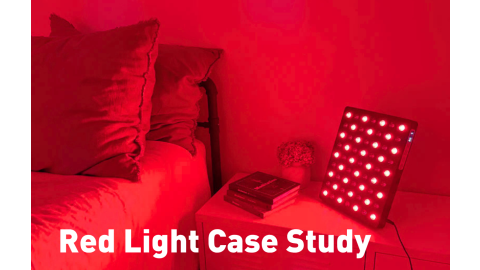
Alternatively, Red Light Therapy, also known as Photobiomodulation (PBM), offers a more evidence-based alternative for acute injuries to improve pain management and enhance healing. PBM is not new and has been used for years in the form of cold laser therapy. Lasers offer a lot by the way of issue healing and pain relief but bring with it risks of burning the skin and typically have a very high price tag. Fortunately, with recent improvements in LED bulbs, PBM is now safer, cheaper and more accessible than ever to athletes and clinicians.
Applying a warm red light therapy device brings a lot of advantages to the table. For one, athletes are more compliant with them as compared to ice and they are proven to be more effective. Red Light Therapy devices promote vasodilation, improving blood flow to the treated areas. This allows white blood cells—such as leukocytes, macrophages, monocytes, and granulocytes—to reach the injury site, kickstarting the healing process and eliminating foreign substances. Moreover, red light therapy stimulates fibroblast activity, essential for forming connective tissue crucial to healing. Additionally, Red Light Therapy helps improve long-term blood flow, providing ongoing benefits after the treatment is concluded.
There are thousands of peer-reviewed articles supporting the use and effectiveness of PBM. One recent article reviewed three clinical trials and two animal studies, comparing the effectiveness of cryotherapy (ice) versus Red Light Therapy for post-exercise muscle recovery. In all human trials, both red and near-infrared lights were used, while the animal studies applied only near-infrared light in their experimental design. Treatments were administered following exercise. The findings across all five studies demonstrated that the Red Light Therapy groups performed better than the controls. Participants experienced less delayed onset muscle soreness and lower muscle inflammation with Red Light Therapy. Also, Red Light Therapy prevented markers of muscle damage, (creatine kinase), from increasing post-exercise, while the ice group did not experience the same advantages.
It is important that we understand the mechanisms of action for PBM. This allows us to know how, when and where to use Red Light Therapy tools. PBM has been shown to stimulate the cellular mitochondria, boosting energy production and modulating oxidative stress, which reduces inflammation at the cellular level. This is extremely powerful because the mitochondria are known as the powerhouse of the cells. Improving their function essentially makes each cell operate at a higher level in whatever their job is. PBM has also been shown to promote the production of growth factors, facilitating inflammation reduction and muscle fiber healing, which is crucial for effective exercise recovery.
Alternatively, icing constricts blood vessels, reducing blood flow and edema formation (swelling). While this might temporarily alleviate pain and reduce inflammation, it lacks the cellular effects necessary for true healing. Some experts have recently argued that cryotherapy only offers temporary relief and doesn't support long-term recovery, all of which appears to be supported in the latest literature.
Red Light Therapy is definitely gaining traction as an effective method for post-exercise muscle recovery and as a therapeutic modality, because it offers so many advantages over ice. These include:
- Improved Healing: Unlike ice, which primarily provides pain relief by constricting blood vessels, PBM facilitates genuine healing. It improves cellular metabolism through enhanced ATP production, moderates oxidative stress and reduces inflammation. All of these are vital for muscle recovery and healing to take place.
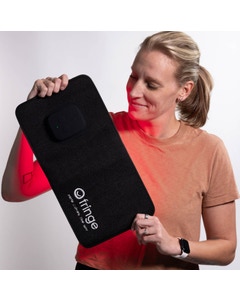
- Enhanced Compliance: Red Light Therapy devices, particularly portable ones like Fringe Red Light Therapy wraps, offer convenience and flexibility. This encourages regular use, enhancing compliance among athletes who might need recovery support immediately after exertion. And, they just simply feel good.
- Reduced Pain without Compromising Tissue Healing: While ice can reduce pain, it often comes at the cost of tissue healing. Red Light Therapy provides effective pain management and helps initiate cellular healing, ensuring faster recovery without the drawbacks associated with cryotherapy.
- Versatility: Beyond muscle recovery, Red Light Therapy tools can and should be employed for various conditions where ice has traditionally been used. It not only reduces pain and inflammation but also activates cellular mechanisms essential for healing, making it a versatile tool in both sports medicine and general wellness.
There is one last thing to consider in this conversation. That is making sure that if you use Red Light Therapy, you use the optimal light intensity to get the best patient outcomes. The best available literature indicates that more is not always better (and can actually be detrimental) when it comes to light intensity. There is a bit of a “Goldilocks” principle to consider with light therapy (both too little and too much light are a bad thing – we want it “just right”).
Devices with a light intensity of 20 to 40 mW/cm², which is similar to the sun's intensity, are optimal. This challenges the marketing claims that higher intensity (over 100 mW/cm²) is necessary, showcasing that low to moderate intensity is not only sufficient, but likely the most effective.
In summary, always consider reaching for a Red Light Therapy device instead of ice after intense workouts, acute injuries or for recovery needs. It is an innovative alternative that not only manages pain but also fosters quicker and more effective healing, aligning perfectly with the latest research findings. In many ways, Red Light Therapy can be considered the new ice!
Shop Fringe Red Light Therapy Wraps:

Explore More on Red Light Therapy
Interested in learning more about how red light therapy can enhance sports performance and recovery? Check out these resources:
Medical Disclaimer: The information provided on this site, including text, graphics, images, and other material are for informational purposes only and are not intended to substitute for professional medical advice, diagnosis, or treatment. Always seek the advice of your physician or other healthcare professional with any questions or concerns you may have regarding your condition.