From the first evaluation on the sideline to the final phases of return to play, bracing can support athletes throughout the injury recovery process. For athletic trainers, choosing the right brace often means balancing protection, mobility, comfort and sport-specific demands. While many braces may look similar at first glance, differences in structure, material, fit and intended use can affect how well a brace supports recovery and whether an athlete will actually wear it as directed. Comparing bracing options side by side can help simplify decision-making and make it easier to match the right support to the athlete, injury and stage of care.
Key Takeaways
- Athletes may need different levels of bracing support as they move from acute injury or post-operative care through rehabilitation and return to activity.
- Bracing is rarely one size fits all, so athletic trainers should consider the purpose behind each brace when selecting the best option for an athlete.
- Material, sizing, stability and comfort can all influence athlete compliance and overall bracing success.
Support Through Every Stage of Recovery
After an injury, trauma or surgery, an athlete may progress through several types of bracing as their needs change. Early in the recovery process, the priority may be immobilization, protection and tissue healing. As the athlete advances through rehabilitation, the brace may become smaller, lighter or more flexible to allow controlled movement and a gradual return to functional activity.
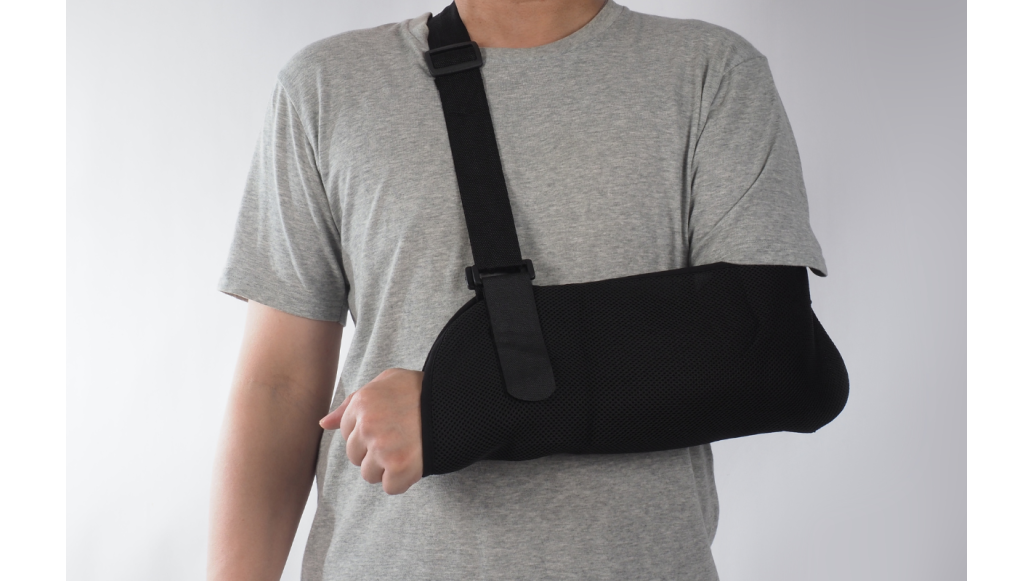
For example, an athlete recovering from a rotator cuff repair may begin with a sling that includes an abduction pillow for higher-level support. As the post-operative protocol progresses and the athlete regains appropriate shoulder movement, they may transition away from a bulkier sling while still needing occasional support during daily activity.
A product such as the Sammons Preston Super Sling Plus can help provide structured support during the early phase, while a lighter option such as the Sammons Preston Pouch Arm Sling may be useful when less support is needed. Having access to bracing options across each stage of care helps athletic trainers guide athletes through recovery while adapting support as movement, comfort and function improve.

What Athletic Trainers Should Consider When Choosing a Brace
While a specific brace can be a gold standard option for a specific injury, not all braces are created equal. Something as simple as a pull-on knee sleeve can come in different shapes, sizes, materials and builds, and even though looking similar can work for one patient but not another. Options are important – just because everyone wears pants doesn’t mean the same pants are the right fit for every body.
Even when a specific type of brace is commonly recommended for an injury, different designs can serve different needs. A pull-on knee sleeve, for instance, may vary in shape, compression level, material, sizing and patellar support. Two braces that appear similar may fit differently, feel different during activity or provide different levels of stability. For athletic trainers, those details matter when supporting athletes in a clinic, training room, practice or game-day environment.
The best option depends on the athlete’s injury, sport, position, activity level, physician guidance and tolerance for the device. A brace that supports healing but is uncomfortable, poorly fitted or too restrictive for the athlete’s activity may reduce compliance. Selecting the right brace requires understanding both the clinical purpose of the support and the real-world setting where the athlete will use it.
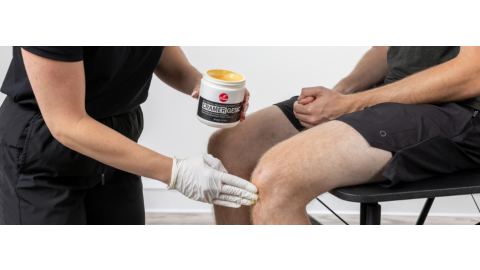
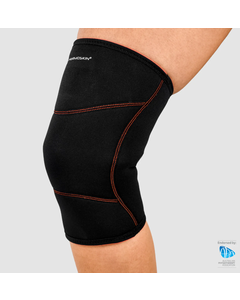
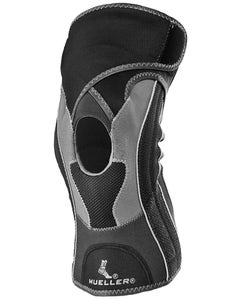
For a recreational athlete experiencing mild knee swelling or discomfort, a Thermoskin Thermal Knee Support may offer compression and warmth. If the athlete needs more patellar stability, a structured option with a patellar opening, such as the Mueller Hg80 Premium Knee Brace, may provide more targeted support. For athletes returning after surgery or managing greater instability, a hinged option such as the Pro-Tec Hinged Knee Wrap may help provide additional stability while still allowing controlled mobility. These examples represent just a small portion of the bracing options athletic trainers may consider when matching support level, mobility and comfort to an athlete’s needs.

Matching the Brace to the Athlete and the Moment
When selecting a brace, start with the reason behind the recommendation. Is the goal to immobilize a recently repaired structure? Provide compression to help manage swelling and discomfort? Add stability during a gradual return to activity? An athlete in the acute stage may need a more reinforced brace, while an athlete progressing back to practice or competition may benefit from a lighter, more breathable option that allows appropriate movement.
Athletic trainers also need to consider fit, comfort and sport-specific use. A knee brace that slips during cutting drills or a sling that irritates the neck can quickly become a compliance issue. The longer an athlete needs to wear a brace, the more important material, breathability, adjustability and sizing become. The right brace should support the recovery plan while fitting naturally into the athlete’s daily routine, training demands and return-to-play progression.
Having a range of bracing options available helps athletic trainers make informed recommendations across the full continuum of care. From immobilization and protection to compression, stability and functional support, the right brace can help promote healing, improve comfort and support safer movement. When athletic trainers can compare brace features, support levels and fit considerations in one place, it becomes easier to choose the best option for each athlete and each stage of recovery.
All Products Recommended in this Article
Medical Disclaimer: The information provided on this site, including text, graphics, images, and other material are for informational purposes only and are not intended to substitute for professional medical advice, diagnosis, or treatment. Always seek the advice of your physician or other healthcare professional with any questions or concerns you may have regarding your condition.