Athletic trainers have always been at the center of athlete health and safety. But today, the job extends far beyond evaluating injuries and supervising rehabilitation programs. A 2024 joint statement from the National Athletic Trainers’ Association and American College of Sports Medicine highlights a growing labor crisis in collegiate athletic training, with schools facing challenges recruiting, hiring, and retaining athletic trainers. The statement points to compensation, organizational culture, burnout, and increased work responsibilities as key factors shaping the workforce conversation. For many ATs, that means balancing demanding caseloads, heightened expectations, staffing shortages, emergency preparedness, and mental health support while working with limited time and resources.
Whether they're responding to an acute injury on the sideline, coordinating care with physicians, managing recovery timelines, or implementing emergency action plans, athletic trainers are often expected to do it all.
Here's a look at the realities shaping athletic training today and the tools that help ATs provide exceptional care every step of the way.
Athletic Injury Management Has Become Athlete Care Coordination
When an athlete gets hurt, the injury itself is only one piece of the puzzle.
Today's athletic trainers are often coordinating communication between athletes, parents, coaches, physicians, physical therapists, and administrators. They're tracking progress, documenting care, monitoring restrictions, and helping everyone stay aligned throughout the recovery process.
That level of coordination can become especially challenging when an AT is responsible for multiple teams, practices, and events throughout the week.
Having the right supplies readily available can help streamline care and keep athletes moving through the recovery process efficiently. Well-stocked athletic training kits, taping supplies, braces, evaluation tools, and treatment equipment help athletic trainers spend less time searching for what they need and more time focusing on the athlete in front of them.
The best injury management programs aren't just about treating injuries. They're about creating a seamless experience from first evaluation through return-to-play.
Emergency Preparedness: Being Ready When Every Second Counts
Athletic trainers know that some of the most important moments in their careers happen unexpectedly.
A sudden cardiac emergency, exertional heat illness, concussion, fracture, or other serious injury can transform an ordinary practice or game into a high-pressure medical situation in seconds.
That's why emergency preparedness has become a growing area of focus for athletic training programs. NATA’s updated position statement on emergency action plan development and implementation in sport reinforces that an EAP should be a written, comprehensive plan designed to support efficient, coordinated emergency response for any catastrophic injury or medical emergency—not just one specific condition. For ATs, that means making sure response procedures are clearly documented, practiced, and understood by coaches, staff, and other stakeholders before an emergency occurs.
Exertional heat illness is one area where preparation is especially critical. NATA’s exertional heat illness guidance emphasizes prevention, early recognition, onsite emergency management, and return-to-play considerations. Athletic trainers are encouraged to establish venue-specific emergency plans, educate stakeholders, adjust activity based on environmental conditions, and respond quickly when signs of heat illness appear.
From emergency response bags and first aid supplies to cold therapy products, hydration supplies, cooling equipment, and communication tools, having essential resources organized and accessible can make a significant difference when quick action is required.
Preparation is more than a best practice. It is a critical part of creating a safer environment for every athlete, practice, and competition.
Top Product to Keep You Prepared




Learn more about preparedness and what you can do to be ready with these articles:
ColdVest: The Science of Instant Cooling and Hyperthermia Prevention
Doing More with Less: The Reality of Athletic Training Staffing Challenges
Many athletic trainers are responsible for more athletes, more events, and more administrative responsibilities than ever before.
Coverage demands continue to grow while budgets and staffing levels don't always keep pace. The result is a profession that constantly looks for ways to improve efficiency without compromising athlete care.
For many ATs, success comes down to organization.
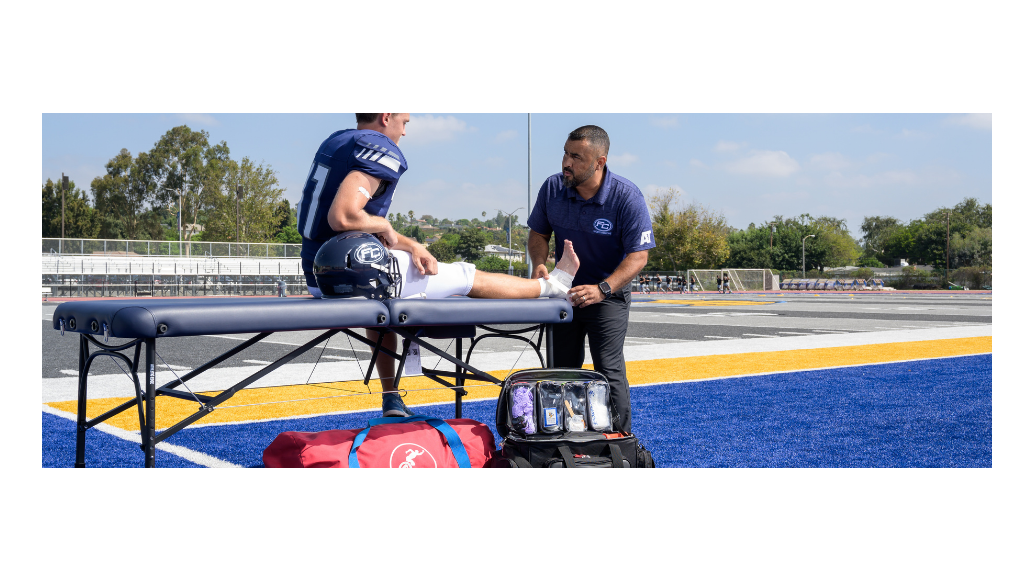
Portable treatment tables allow care to happen wherever athletes need it. Mobile sideline kits help streamline game-day coverage. Organized storage solutions reduce time spent searching for supplies. Recovery tools, rehabilitation equipment, and therapeutic modalities that can be used across multiple athlete populations can help ATs maximize limited resources.
When athletic trainers are balancing busy schedules, small efficiencies throughout the day can add meaningful time savings over the course of a season.
Explore tips on how to manage an athletic training budget with this article.
Building Athlete Trust Through Communication and Mental Health Awareness
Athletic trainers often spend more consistent time with athletes than almost anyone else on the sports medicine team.
That regular interaction creates opportunities to build trust, identify concerns early, and support athletes throughout both physical and emotional challenges.
Recovering from an injury can impact confidence, motivation, and mental well-being. Athletes may feel pressure to return quickly, frustration with setbacks, or anxiety about losing playing time. In many cases, athletic trainers are among the first healthcare professionals to recognize those concerns.
Strong communication helps athletic trainers encourage symptom reporting, improve treatment adherence, and support healthier outcomes throughout recovery.
The relationship between an athlete and an AT has always been important. Today, it's increasingly recognized as a key component of effective athlete care.
Managing Return-to-Play Pressure While Putting Athlete Safety First
Return-to-play decisions have never been simple.
Athletes want to compete. Coaches want their teams at full strength. Parents want reassurance. Athletic trainers are often tasked with balancing all of those expectations while keeping athlete safety at the center of every decision.
A successful return-to-play process requires ongoing evaluation, objective testing, rehabilitation progressions, and honest communication about readiness.
Recovery resources can play an important role throughout this phase. Whether it's cold therapy solutions for post-activity recovery, resistance training equipment for rehabilitation exercises, mobility tools, or therapeutic exercise products, athletic trainers rely on a variety of resources to help athletes regain confidence and function before returning to competition.
The goal isn't simply getting athletes back to activity. It's helping them return safely, confidently, and with the support they need to keep progressing.
How the Right Sports Medicine Supplies Support Athletic Trainers Every Day
The athletic training profession continues to evolve, and the demands placed on ATs show no signs of slowing down.
Today's athletic trainers are emergency responders, care coordinators, communicators, rehabilitation specialists, and advocates for athlete health and wellness. They manage complex responsibilities while supporting athletes before, during, and after injuries occur.
Having reliable sports medicine supplies, rehabilitation products, sideline equipment, and recovery solutions helps athletic trainers stay prepared for whatever the day brings.
At Medco, we're committed to supporting athletic trainers with the products, resources, and tools they need to deliver efficient, effective care and keep athletes performing at their highest level.
References
- National Athletic Trainers’ Association. National Athletic Trainers’ Association and American College of Sports Medicine Joint Statement. May 1, 2024. https://www.nata.org/press-release/050124/national-athletic-trainers-association-and-american-college-sports-medicine-joint-statement
- American College of Sports Medicine. NATA and ACSM Unite to Support Athletic Trainer Workforce. https://acsm.org/nata-support-athletic-trainer-workforce/
- National Athletic Trainers’ Association. National Athletic Trainers’ Association Position Statement: Exertional Heat Illnesses. https://pmc.ncbi.nlm.nih.gov/articles/PMC4639891/
- National Athletic Trainers’ Association. Emergency Action Plan Development and Implementation in Sport. Updated June 2024. https://educate.nata.org/products/nata-position-statement-emergency-action-plan-development-and-implementation-in-sport
Medical Disclaimer: The information provided on this site, including text, graphics, images, and other material are for informational purposes only and are not intended to substitute for professional medical advice, diagnosis, or treatment. Always seek the advice of your physician or other healthcare professional with any questions or concerns you may have regarding your condition.