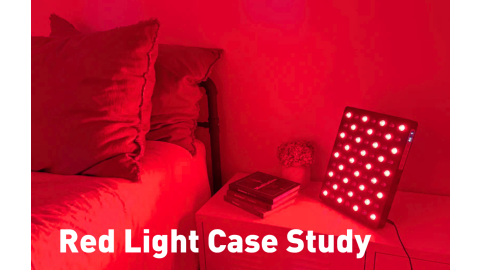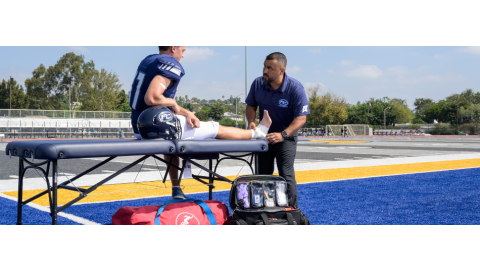
Light therapy, often called photobiomodulation, may just seem like the latest trend in sports medicine, but the use of light as a recovery and wellness tool dates back hundreds, even thousands, of years. Humans have always relied on sunlight for energy and health benefits, even if we didn’t fully understand its impact.
Today’s athletes spend most of their time indoors, whether it be in classrooms, weight rooms, athletic facilities, or athletic training rooms, which means they’re often missing out on beneficial natural light exposure. Over time, this can influence everything from recovery rates to mood, sleep, and overall wellness.
Modern photobiomodulation began in the 1960s, when researchers discovered that red-light lasers positively affected certain cellular processes in rats. This sparked decades of exploration into red and near-infrared (NIR) light. Cold-laser therapy gained popularity in the early 2000s, although the cost kept it out of reach for many programs. Today, LED-based light therapy has changed all of that—bringing affordable, effective tools into athletic training rooms, strength and conditioning facilities, and home recovery routines for athletes.
How Red Light Therapy Works
When cells are exposed to the correct wavelengths of red and near-infrared light, a series of powerful changes occur, mainly at the cellular and mitochondrial levels.
The most important effect is the increase in ATP production. More ATP means more energy for each cell to perform its role, whether it’s repairing muscle tissue, supporting joint health, or helping an athlete rebound more quickly after training or competition.
Beyond ATP production, photobiomodulation can:
- Regulate inflammation
- Reduce oxidative stress
- Improve blood flow and oxygenation
- Support capillary formation
- Positively influence circadian rhythms
In short: the right light exposure helps the body’s tissues become more resilient and efficient, which is crucial for both performance and recovery.

Top Reasons Athletic Trainers Use Red Light Therapy
Here are 10 evidence-supported benefits of red-light therapy, especially relevant to athletic trainers and sports performance professionals:
1. Reduce inflammation
Red and NIR light help calm the body’s inflammatory response without the side effects associated with NSAIDs—useful during both acute injury management and ongoing recovery cycles.
2. Support skin and soft-tissue healing
Athletes dealing with turf burns, abrasions, post-surgical scars, or dermatologic issues may benefit from red-light therapy due to its ability to encourage healthy tissue repair.
3. Decrease pain
Research shows reductions in knee, neck, low-back, TMJ, arthritic, and post-surgical pain. This can be particularly helpful in keeping athletes active during long seasons or return-to-play progressions.
4. Improve athletic performance
Red-light therapy can lessen muscle damage from training, reduce fatigue, improve muscle capacity, and support faster post-exercise recovery—all essential for high-volume or in-season training periods.
5. Reduce symptoms of stress, depression, and anxiety
Athletes often struggle with academic, competitive, and personal stressors. Photobiomodulation may help by supporting mitochondrial function, improving blood flow to the brain, and decreasing neuroinflammation.
6. Boost cognitive function
Studies show improvements in executive functioning and memory. Athletes recovering from concussion, TBI, or those under heavy mental load from academics may also benefit from light-induced neurorepair mechanisms.
7. Speed healing from injuries
From soft-tissue strains to bone injuries, research shows faster healing timelines with photobiomodulation. Tendons show increased collagen formation, muscles recover faster, and bone healing can be supported—useful across all return-to-sport phases.
8. Promote fat loss
While not a primary sports-medicine goal, red-light therapy combined with training may help with body-composition improvements for athletes who need to manage weight.
9. Improve immune function
Supporting the immune system can help athletes stay healthy throughout long competitive seasons, tournament travel schedules, and high-stress training blocks.
10. Enhance sleep quality
Light plays a major role in regulating circadian rhythm. Better sleep means better recovery, performance, and mental readiness—especially for athletes managing heavy training loads or travel.
Conclusion
If you're considering adding a red-light therapy device to your athletic training facility, weight room, or team recovery setup, there are several key factors to evaluate:
- Choose a device with both red and near-infrared wavelengths.
The combination ensures deeper tissue penetration and broader therapeutic benefit. - Pay attention to power output—not just price.
Research shows that more power isn't always better. Photobiomodulation follows a “biphasic dose-response,” which means too much intensity can be less effective. However, many low-priced consumer devices are underpowered and won’t deliver meaningful results. - Select the style that fits your needs.
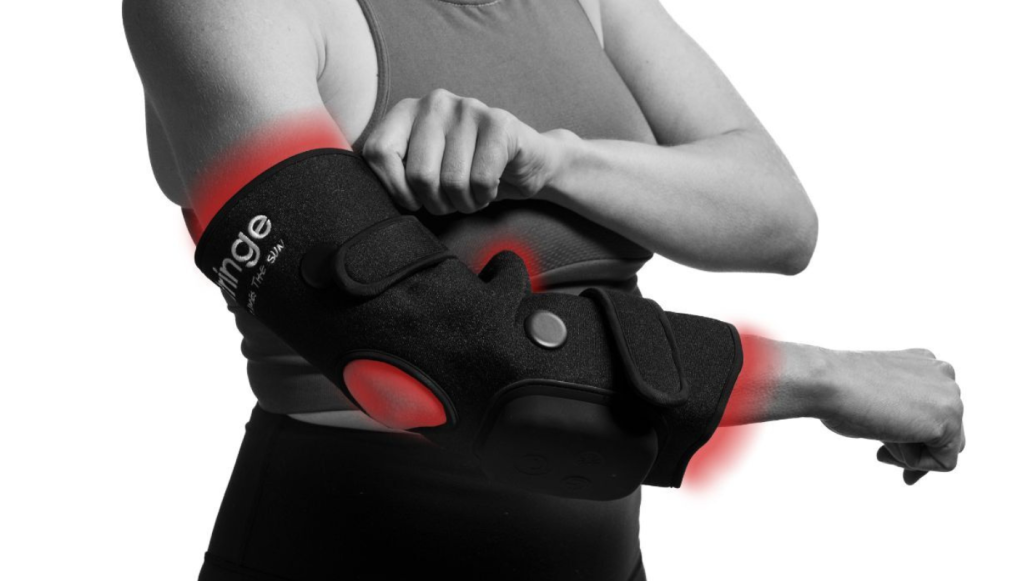
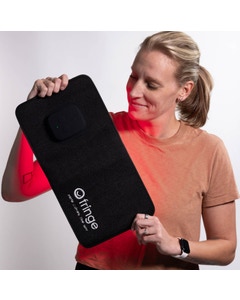
Panels are ideal for large-area exposure (great for post-training recovery stations), while wraps or wearable units offer targeted applications for joints, tendons, and specific injury sites.
Today's technology allows athletic trainers to take advantage of red-light therapy as an accessible, science-backed tool that supports performance, recovery, and overall athlete wellness.
Medical Disclaimer: The information provided on this site, including text, graphics, images, and other material are for informational purposes only and are not intended to substitute for professional medical advice, diagnosis, or treatment. Always seek the advice of your physician or other healthcare professional with any questions or concerns you may have regarding your condition.