Concussions in the Athletic Setting
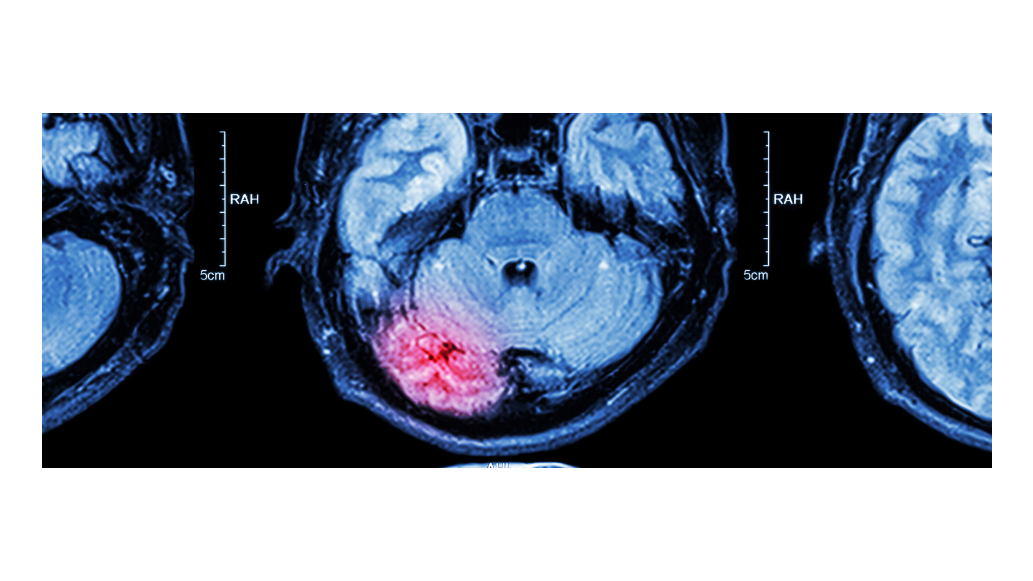
Concussions, classified as mild traumatic brain injuries (mTBIs), are among the most common injuries athletic trainers and sports medicine clinicians encounter. They typically result from direct blows to the head or body—frequent in contact sports, falls, and collisions. Although most athletes recover within days to weeks, concussions can leave lingering symptoms and, when repeated, increase the risk of chronic conditions such as Chronic Traumatic Encephalopathy (CTE).
Each year, more than 1.5 million Americans sustain a TBI, with athletes representing a significant portion of these cases. Understanding the underlying pathophysiology and emerging interventions is essential for those guiding return-to-play decisions and long-term brain health strategies.
Pathophysiology of Concussion
After a concussion, three primary processes contribute to functional decline and delayed recovery:
- Neuroinflammation – Acute inflammation is a protective response, but prolonged activation of inflammatory pathways can interfere with healing and contribute to chronic neurodegeneration.
- Oxidative Stress – An excess of reactive oxygen species (ROS) overwhelms the brain’s antioxidant defenses, leading to cellular damage and impaired recovery.
- Metabolic Dysfunction – The injured brain experiences a “metabolic crisis.” After an initial surge in glucose demand, neurons enter an energy-deprived state, leaving them more vulnerable to subsequent stress and less capable of repair.
These mechanisms interact, creating a feedback loop that explains persistent symptoms such as headaches, impaired concentration, sleep disturbance, and mood changes in some athletes.
Where Red Light Therapy Fits In
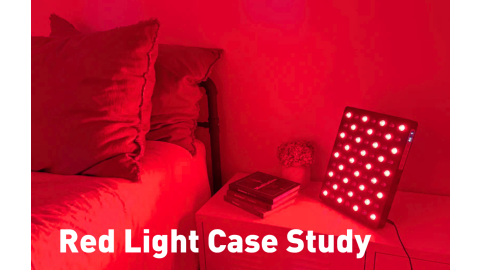
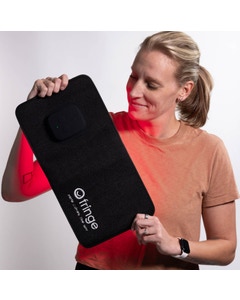
Photobiomodulation (PBM), commonly known as Red Light Therapy, is a non-invasive intervention gaining attention in sports medicine. Using specific wavelengths of red and near-infrared light, PBM penetrates scalp and skull tissue, targeting mitochondria and modulating cellular activity.
For athletic trainers, the clinical relevance lies in PBM’s ability to address the core drivers of concussion pathology:
- Inflammation control – PBM downregulates pro-inflammatory molecules and helps balance the neuroinflammatory response without pharmacological side effects.
- Oxidative stress modulation – Light absorbed by mitochondrial chromophores reduces excess ROS production, minimizing secondary cellular injury.
- Energy restoration – PBM enhances ATP generation, improving neuronal energy supply during the recovery phase.
Additional reported effects include increased cerebral blood flow, improved neuroplasticity, and reduced neuronal apoptosis—factors that could translate into improved cognitive and functional outcomes for athletes.
Evidence in Acute vs. Chronic Concussion
Acute Phase
Research in acute concussion is limited in humans due to logistical challenges, but animal studies provide encouraging data. A 2023 systematic review of 17 pre-clinical studies reported that early PBM (within four hours post-injury) reduced lesion size and improved neurological outcomes, with optimal results achieved through multiple daily sessions of both red and near-infrared light.
Chronic Phase
Human data are stronger in athletes and veterans with persistent post-concussion symptoms:
- Military veterans (2019) – Six weeks of combined red and near-infrared therapy improved neuropsychological test scores and cerebral perfusion.
- Professional hockey player (2020) – After eight weeks of near-infrared PBM, improvements were documented in brain volume, connectivity, cerebral blood flow, and clinical symptoms.
- Retired football players with suspected CTE (2023) – Six weeks of therapy resulted in improved sleep, mood, PTSD symptoms, and pain, alongside objective neurofunctional gains.
Collectively, findings suggest PBM may accelerate recovery and improve quality of life in athletes with chronic concussion symptoms.
Practical Considerations for Sports Medicine
When considering PBM as part of a concussion management strategy, athletic trainers and sports clinicians should evaluate several factors:
- Wavelength – Evidence supports red light (620–700nm) and near-infrared (700–1100nm), with near-infrared showing the deepest tissue penetration.
- Dosage and intensity – Effective protocols have used intensities ranging from 10–100 mW/cm². Flexibility across this spectrum appears clinically acceptable.
- Device design – For athletes, compliance is critical. Devices that are lightweight, wireless, and form-fitting for the head are more likely to be integrated consistently into recovery protocols.
- Light source – Modern LED-based devices are safe, cost-effective, and increasingly accessible compared to earlier laser-based systems.
Protocols: Based on current research, treatment sessions of 10–40 minutes, 3–5 times weekly, are recommended during the chronic phase. More than one session per 24 hours should be avoided. In acute concussion, PBM use should be directed by a medical team.
Clinical Application in the Athletic Context
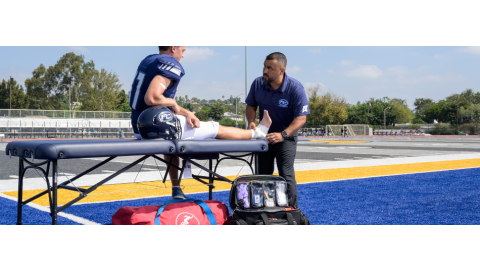
Athletic trainers are often the first healthcare professionals to evaluate and monitor athletes with concussions. While cognitive rest and gradual return-to-play protocols remain the foundation of care, PBM may serve as a complementary modality to improve outcomes.
In the chronic setting, PBM could be incorporated into rehabilitation programs alongside cognitive therapy, vestibular rehabilitation, and conditioning. For athletes with prolonged post-concussion syndrome, it offers a safe, non-pharmacological intervention that addresses underlying pathophysiological mechanisms.
Conclusion
For sports medicine professionals, Red Light Therapy represents an emerging tool that directly targets the biological processes underlying concussion. By reducing neuroinflammation, moderating oxidative stress, and restoring energy metabolism, PBM provides a scientifically plausible mechanism for enhanced recovery.
Although more large-scale human trials are needed—especially in the acute phase—current evidence supports its use as an adjunct in managing chronic concussion symptoms. For athletic trainers and clinicians seeking non-invasive, athlete-friendly therapies, PBM offers a promising addition to concussion care protocols.
Medical Disclaimer: The information provided on this site, including text, graphics, images, and other material are for informational purposes only and are not intended to substitute for professional medical advice, diagnosis, or treatment. Always seek the advice of your physician or other healthcare professional with any questions or concerns you may have regarding your condition.
References
- Centers for Disease Control and Prevention. Traumatic Brain Injury Data and Research. CDC. https://www.cdc.gov/traumatic-brain-injury/data-research/index.html
- Institute of Medicine (US) Committee on Gulf War and Health. Introduction Table 1, Gulf War and Health: Volume 6: Physiologic, Psychologic, and Psychosocial Effects of Deployment-Related Stress. National Academies Press. https://www.ncbi.nlm.nih.gov/books/NBK98986/table/introduction.t1/
- Arciniegas, D. B. (2012). Clinical conceptualization and neuropsychiatric treatment of mild traumatic brain injury. The Psychiatric Clinics of North America. https://pubmed.ncbi.nlm.nih.gov/23198672/
- Yam, A. Y., et al. (2024). Insights into mitochondrial dynamics in TBI. Cells, 13(385). https://pmc.ncbi.nlm.nih.gov/articles/PMC10931349/pdf/cells-13-00385.pdf
- Hamblin, M. R. (2019). Mechanisms of low-level light therapy. Photobiomodulation, Photomedicine, and Laser Surgery. https://pmc.ncbi.nlm.nih.gov/articles/PMC6437022/
- Almutairi, M. A., et al. (2022). Molecular mechanisms in brain injury and photobiomodulation. International Journal of Molecular Sciences, 23(13000). https://pmc.ncbi.nlm.nih.gov/articles/PMC9657447/pdf/ijms-23-13000.pdf
- DeFazio, M. V., et al. (2020). Long-term outcomes after TBI. NeuroRehabilitation. https://pubmed.ncbi.nlm.nih.gov/32004148/
- Naeser, M. A., et al. (2019). Transcranial red/near-infrared light therapy for cognitive improvement. International Journal of Radiation Biology. https://www.tandfonline.com/doi/abs/10.1080/09553002.2019.1625464?journalCode=irab20
- Xiong, Y., et al. (2018). Mitochondrial dysfunction after TBI. Neurotherapeutics. https://www.ncbi.nlm.nih.gov/pmc/articles/PMC5523874/pdf/nihms879874.pdf
- Khuman, J., et al. (2021). Redox signaling in mild TBI. Antioxidants, 10(1028). https://www.ncbi.nlm.nih.gov/pmc/articles/PMC8300797/pdf/antioxidants-10-01028.pdf
- Osier, N. D., et al. (2019). Inflammation in TBI recovery. Journal of Neurotrauma. https://www.ncbi.nlm.nih.gov/pmc/articles/PMC6041198/pdf/nihms934240.pdf
- Strain, J. F., et al. (2022). Imaging changes in mild traumatic brain injury. NeuroImage: Clinical. https://pubmed.ncbi.nlm.nih.gov/35698294/
- Shirani, A., et al. (2024). Applications of photobiomodulation in neurology. Photonics, 11(260). https://www.mdpi.com/2304-6732/11/3/260
- Henderson, T. A., et al. (2018). Case series using near-infrared light therapy in brain injury. Photobiomodulation, Photomedicine, and Laser Surgery. https://www.liebertpub.com/doi/pdf/10.1089/photob.2018.4489
- Chao, L. L., et al. (2020). Brain changes with near-infrared light therapy. Frontiers in Neurology, 11(952). https://pmc.ncbi.nlm.nih.gov/articles/PMC7509409/pdf/fneur-11-00952.pdf
- Salgado, A. S., et al. (2023). Neuroprotective photobiomodulation in Alzheimer’s and TBI. Advances in Drug and Alcohol Research, 7. https://pmc.ncbi.nlm.nih.gov/articles/PMC9912826/pdf/adr-7-adr220022.pdf
- Wu, X., et al. (2023). Role of mitochondrial DNA in photobiomodulation after brain trauma. International Journal of Molecular Sciences, 24(3221). https://www.ncbi.nlm.nih.gov/pmc/articles/PMC9965491/pdf/ijms-24-03221.pdf
- Naeser, M. A., et al. (2017). Transcranial red/near-infrared light therapy and cognitive performance. Medical Devices: Evidence and Research, 11, 139–153. https://pmc.ncbi.nlm.nih.gov/articles/PMC5927185/pdf/mder-11-139.pdf