Outfitting an athletic-training (AT) facility requires more than just space — you need the right equipment on hand to handle everything from acute injuries on the sideline to rehabilitation and recovery sessions. Whether you’re designing a high-school athletic-training room, a collegiate facility, or updating your current setup, having a comprehensive selection of taping supplies, treatment tables, rehab tools, first-aid materials, recovery modalities, and proper storage/organization ensures you can respond to injuries, support rehabilitation, and keep athletes performing at their best. Below are the must-have items and recommended products to stock in any professional athletic-training environment.
Treatment & Taping Furniture
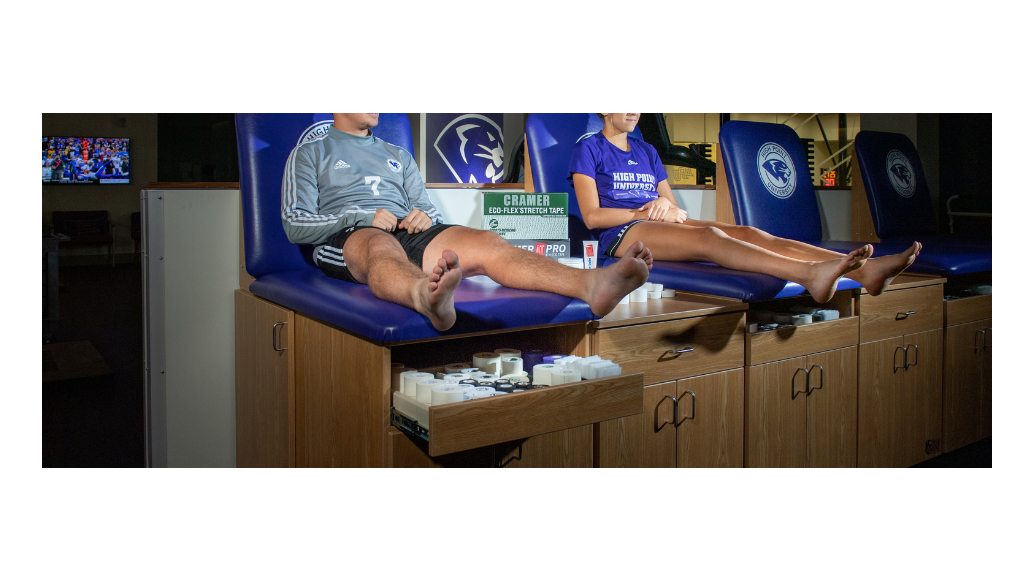
A stable foundation for any athletic-training facility begins with treatment tables, taping stations, and mobile carts. A height-adjustable treatment table allows for safe and ergonomic evaluations, manual therapy, and rehabilitation.
Dedicated taping stations organize athletic tape, pre-wrap, elastic and cohesive wrap, scissors, cutters, etc., making taping sessions efficient and hygienic. Mobile modality carts ensure tools and supplies are always within reach, improving workflow and minimizing downtime during busy periods.
First Aid & Acute Care Supplies
Every AT facility must be prepared for acute injuries and emergencies. Stock essentials like adhesive bandages, gauze pads, sterile dressings, antiseptic wipes, gloves, scissors, and tweezers.
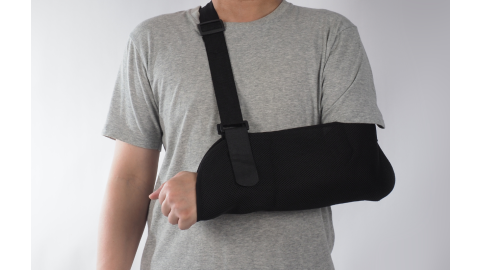
Emergency-response equipment, including an AED, CPR masks, cervical collars, splints, and crutches, should always be maintained and accessible.
Taping supplies such as pre-wrap, non-elastic athletic tape, and cohesive wrap should be available in multiple sizes to meet daily athlete needs.
Rehab & Conditioning Tools
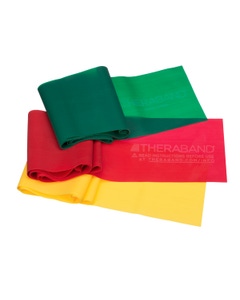
Rehabilitation and return-to-play programs are vital components of athletic training. Tools like the THERABAND Resistance Band Beginner Kit support progressive strengthening, flexibility work, and rehab protocols, especially when athletes are transitioning from injury to full activity.
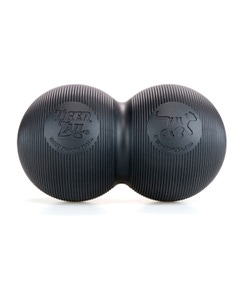
Mobility and soft-tissue tools such as the Tiger Ball 4.4 Peanut Foam Roller aid in muscle recovery and myofascial release after practices or matches. Reducing soreness and enhancing flexibility over time.
These tools help athletic trainers design individualized recovery plans, from early-stage rehab to full performance readiness.
Recovery & Therapeutic Modalities
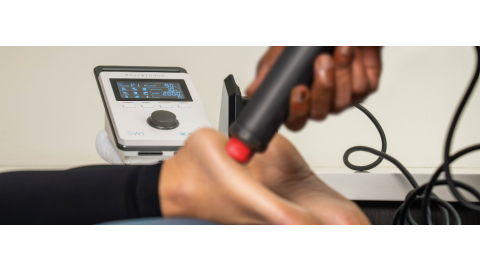
Modern athletic-training facilities increasingly rely on high-quality modalities to enhance recovery, manage inflammation, and support long-term athlete wellness:
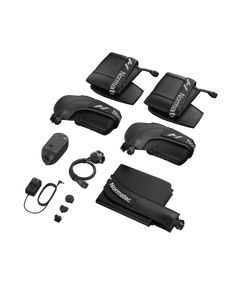
- Compression therapy: The NormaTec 3 Full-Body Recovery System uses dynamic air compression to improve circulation, reduce muscle soreness, and accelerate recovery between practices and competitions.
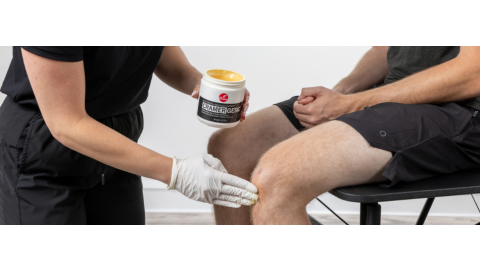
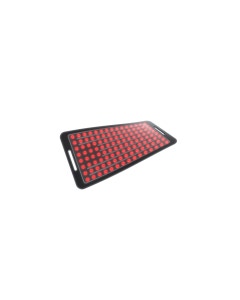
- Red light therapy / LED therapy: The Cramer Red Light Therapy x Fringe delivers therapeutic wavelengths that may facilitate cellular repair, reduce inflammation, and alleviate pain, making it useful for chronic soft-tissue issues and post-activity recovery.
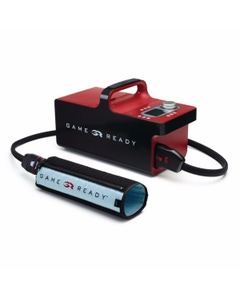
- Cold-compression therapy: The Game Ready Med4 Elite System combines cryotherapy with pneumatic compression to deliver active cooling and compression. Ideal for acute injury care, post-surgical recovery, or intensive training cycles.
Together, these modalities give athletic trainers a “full toolbox” to support recovery: from acute injury care to long-term maintenance, speeding healing, reducing downtime, and enhancing performance.
Storage, Organization & Workflow Efficiency
A professional AT facility isn’t just about having the right treatment and recovery gear organization, storage, and cleanliness are equally critical. A well-organized space improves workflow, reduces clutter, and ensures rapid access to necessary supplies, especially during high-pressure moments like practices, games, or tournaments.
Here are some Medco Sports-recommended storage solutions:
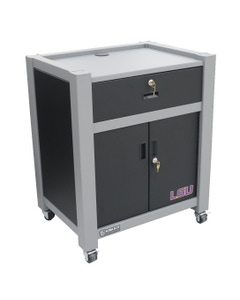
- Athletic Edge Aluma Elite Modality Cart: A compact, mobile cart ideal for smaller supplies or frequently used items. Helps keep essentials like tape, wraps, first-aid items, and small tools within easy reach.
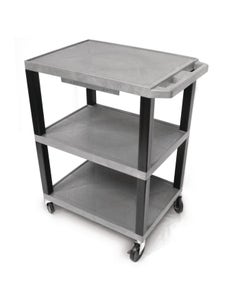
- Multi-Use Utility Cart: Lightweight yet durable, perfect for transporting electrical modalities and often-used supplies around the clinic or between treatment and rehab areas. There is plenty of room on the three shelves.
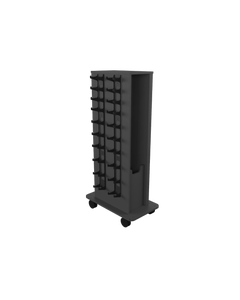
- Athletic Edge Stor-Edge Multi-Purpose Cart: A more robust storage cart suitable for heavier loads: rehab tools, resistance bands, weights, etc. helps keep your equipment organized and mobile.
- Modality / Utility Carts, Cabinets, and Shelving Units: Many Medco Sports treatment-furniture options include lockable cabinets, drawers, and shelving to store cleaning supplies, disposables, braces, tape, and other consumables helping maintain hygiene and order.
In addition to storage furniture, it’s wise to include cleaning and sanitation supplies (e.g., disinfectant sprays, wipes, gloves, paper towels, EPA-approved cleaners) to maintain a clean, safe environment especially important in shared or high-use facilities.
Closing Thoughts
Equipping your athletic training facility is an investment not only in care and performance, but in safety, efficiency, and long-term sustainability. By combining first-aid and emergency preparedness with quality taping supplies, treatment furniture, rehabilitation tools, advanced recovery modalities, and smart storage/organization solutions you build a professional environment that supports the full continuum of athlete care: prevention, acute management, rehabilitation, recovery, and maintenance. A well-organized and outfitted AT room ensures you can respond quickly, work efficiently, and deliver high-quality care when it matters most.
Top Products


Medical Disclaimer: The information provided on this site, including text, graphics, images, and other material are for informational purposes only and are not intended to substitute for professional medical advice, diagnosis, or treatment. Always seek the advice of your physician or other healthcare professional with any questions or concerns you may have regarding your condition.